The Worst Time to Build a Personal Brand Is After You Get Laid Off
Most people wait until they lose their job to build a personal brand. That’s a mistake. Learn why your reputation matters before a layoff happens.
Atlas
5/29/20264 min read

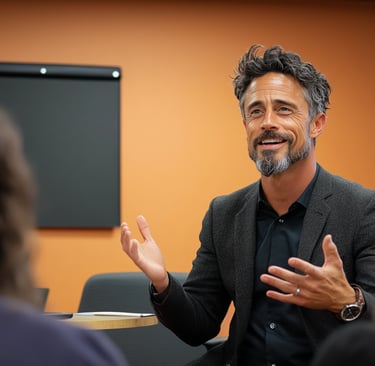
The Worst Time to Build a Personal Brand Is After You Get Laid Off
Nobody thinks it will happen to them.
Until it does.
The meeting gets added to your calendar. The vague message from HR shows up. Your boss suddenly wants to “check in.” Ten minutes later, the company laptop is being shipped back, your Slack access is gone, and the job you thought was stable disappears overnight.
For a lot of smart, talented professionals, that’s also the exact moment they decide:
“Maybe I should finally start building my personal brand.”
That is the worst possible time to start.
Not because it’s too late.
But because you’re suddenly trying to build trust, visibility, relationships, and credibility from scratch during one of the most stressful moments of your professional life.
A personal brand is not something you build when you need opportunity.
It’s something you build before you need it.
Your Job Is Not Your Safety Net Anymore
A generation ago, loyalty to one company often meant stability. You worked hard, stayed employed, and climbed the ladder.
That world largely doesn’t exist anymore.
Layoffs happen at massive companies. Small companies. High-growth startups. Fortune 500 organizations. Entire departments disappear overnight. High performers get cut. Loyal employees get replaced. Sometimes it has nothing to do with performance.
That means relying solely on your employer for career security is becoming increasingly risky.
Your real safety net is your reputation.
When someone searches your name online, what do they find?
Do they find proof of your expertise?
Do they see signs of credibility?
Or does your digital presence look like someone who hasn’t been visible professionally in years?
This is exactly why we wrote The Google Test: What Shows Up When Someone Searches Your Name?
Because whether you realize it or not, people are already researching you.
The Resume Is No Longer Enough
Here’s the uncomfortable truth:
Most resumes look nearly identical.
“Strategic leader.”
“Results-driven.”
“Cross-functional experience.”
“Team player.”
Everybody says the same things.
What separates people today is reputation.
A hiring manager may read your resume for thirty seconds.
But they might spend twenty minutes looking at your LinkedIn profile, Googling your name, reading articles you’ve written, listening to interviews, or seeing who interacts with your content.
If there’s nothing there?
You become harder to trust.
A personal brand is evidence.
It gives people confidence before they ever speak to you.
That does not mean becoming an influencer.
You do not need viral videos.
You do not need to post every day.
You do not need to dance on TikTok.
You simply need enough visible proof that someone can quickly understand:
Who are you?
What are you known for?
Why should someone trust you?
The Hidden Cost of Waiting
Most professionals dramatically underestimate how long reputation takes to build.
Trust compounds.
Relationships compound.
Visibility compounds.
If you start posting thoughtful insights today, reconnecting with people, sharing expertise, appearing on podcasts, writing articles, or simply becoming more visible in your space, those efforts stack over time.
Six months later?
You have momentum.
Twelve months later?
People start associating your name with expertise.
Three years later?
Opportunities begin showing up without you chasing them.
But if you wait until a layoff happens, suddenly everything feels urgent.
Now you’re networking in panic mode.
Updating LinkedIn in desperation.
Sending messages you haven’t sent in years.
Trying to rebuild relationships only because you suddenly need help.
People can feel the difference.
The strongest personal brands are built proactively, not reactively.
What Building a Personal Brand Actually Looks Like
Let’s make this less intimidating.
Building a personal brand does not mean turning into some polished internet guru.
It looks more like this:
Updating your LinkedIn profile so it actually reflects who you are
Sharing one useful professional insight per week
Commenting thoughtfully in your industry conversations
Building relationships before you need favors
Showing proof of your thinking and expertise online
Becoming known for one thing instead of everything
If you hate posting online, you should also read How To Build a Personal Brand When You Hate Posting Online
Because there are far more ways to build visibility than most people realize.
The Best Time to Start Is Before You Need It
Hopefully, you never get laid off.
Seriously.
But hope is not a strategy.
The professionals who recover fastest during uncertainty usually have something powerful already working in their favor:
People know who they are.
People trust them.
People remember them.
Opportunities already exist in their orbit.
And that rarely happens by accident.
You don’t build a parachute after the plane starts going down.
You build it before the turbulence hits.
Your personal brand works the exact same way.
Frequently Asked Questions
Should I build a personal brand if I already have a stable job?
Yes. Stability can change quickly. Building your reputation while employed creates future opportunities and career protection before you need them.
Do I need to post on social media every day?
No. Consistency matters far more than volume. Even posting thoughtful content once a week can compound over time.
What if I hate self-promotion?
A strong personal brand is not about bragging. It is about helping people understand what you know, what you believe, and how you help.
Is LinkedIn enough for a personal brand?
LinkedIn is a great place to start, but ideally your reputation expands into Google search results, articles, podcasts, speaking, or other proof of expertise.
How long does it take to build a personal brand?
It depends on consistency, but most people start seeing momentum within months. The biggest gains come from compounding over years.
Want help building your personal brand?
Book a Free Brand Call to get a custom strategy for turning your expertise into opportunities.