Why Your Name Should Rank Higher Than Your Company
If your company shows up before you in Google, you may be building the wrong asset. Learn why personal SEO matters and how to make your name your most valuable digital property.
ONLINE REPUTATION
Atlas
7/2/20264 min read
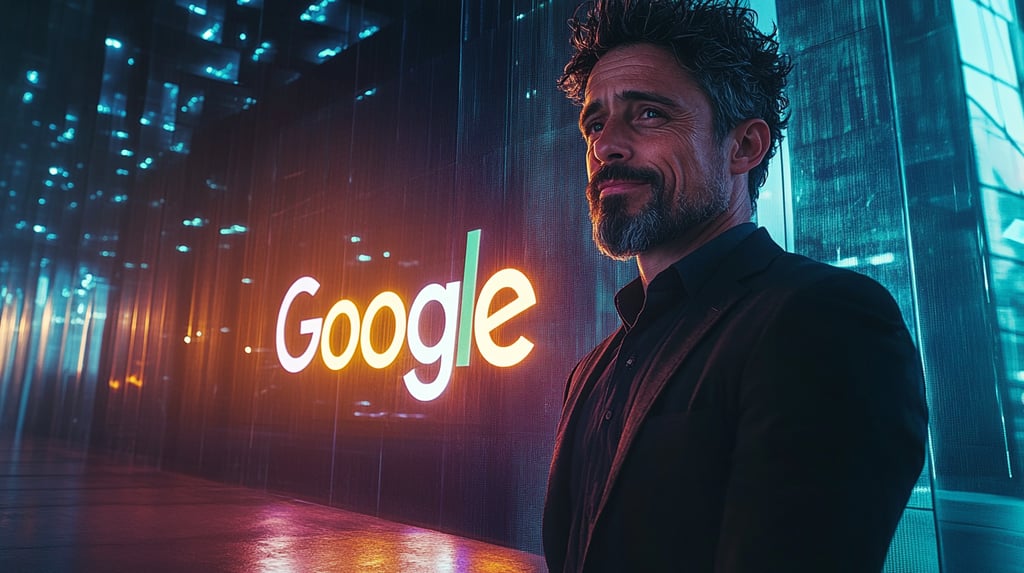
Why Your Name Should Rank Higher Than Your Company
Most professionals are building someone else’s equity.
That sounds harsh, but it’s true.
You spend years building a company. Growing revenue. Creating value. Solving problems. Becoming excellent at what you do.
But when someone Googles your name, what do they find?
If the answer is nothing, or worse, if they find your company before they find you, that should concern you.
Because companies change.
You might leave. They might sell. They might shut down.
But your name stays.
And in the digital age, your name is an asset.
That’s why one of the smartest long-term moves you can make is to build your personal brand so your name becomes the strongest result tied to your reputation.
This isn’t ego.
It’s strategy.
And it may be one of the most overlooked career advantages in the modern economy.
Your Company Is a Platform. Your Name Is the Legacy.
Too many people confuse the two.
Your company is where you work.
Your personal brand is what people remember.
That distinction matters.
A company can give you visibility. But it can’t give you ownership.
If you’ve ever wondered why so many top leaders write books, speak at events, guest on podcasts, or create content outside of their business, this is why.
They are building portable trust.
That trust follows them no matter where they go.
It’s the same principle behind strategies like How to Build a Personal Brand Without a Team and Why Waiting to Build a Personal Brand Is a Career Risk.
The smartest professionals understand this:
Your company can amplify your brand. But it should not replace it.
Google Is the New First Impression
Before someone hires you, partners with you, invites you to speak, or refers you, they search.
Google has become the world’s background check.
And what shows up matters.
If your search results are weak, inconsistent, or nonexistent, it creates doubt.
Not because you’re unqualified.
But because trust is built through visibility.
This is the foundation of The 7 Trust Signals Every Personal Brand Needs.
People trust what they can verify.
Your website.
Your podcast appearances.
Your articles.
Your LinkedIn.
Your interviews.
Your book.
Your speaking clips.
These assets stack.
They create digital gravity.
And over time, they push your name higher.
Why Personal SEO Matters More Than Ever
Search engine optimization used to feel like a company game.
Now it’s personal.
Because your name is a keyword.
And it might be the most important keyword you’ll ever own.
Think about that.
Every introduction eventually leads to a search.
If someone hears about you and types your name into Google, what story are they entering?
That story is either intentional or accidental.
There is no neutral.
This is why building your personal brand online is no longer optional.
It’s one of the fastest ways to future-proof your career.
Especially in a world where AI is making expertise easier to replicate.
As we talked about in AI Can Copy Expertise. It Can’t Copy Trust, trust has become the differentiator.
And trust compounds through repeated visibility.
Here’s What Should Rank for Your Name
At minimum, when someone searches your name, you want to own these assets:
1. Your Website
This is your home base. Not Instagram. Not LinkedIn. Yours.
2. Your LinkedIn Profile
Often the second most powerful ranking asset.
3. Guest Podcast Interviews
One of the fastest ways to build backlinks and authority.
This is why The Podcast Guest Strategy: Borrowing Other People’s Audiences to Build Your Brand is such a powerful move.
4. Articles You’ve Written
Authority grows when Google sees your ideas attached to your name.
5. Media Features or Press
Third-party validation matters.
6. Videos or Speaking Clips
Video builds trust faster than almost anything.
These six alone can dominate page one over time.
And once you own page one, you own perception.
The Risk of Hiding Behind the Company
A lot of executives and professionals believe their company reputation is enough.
Until they leave.
Then they realize:
Nobody knows them.
They were visible, but not known.
Important, but not memorable.
Respected internally, invisible externally.
That’s the trap.
Your company’s audience is borrowed.
Your audience is owned.
And owned attention is leverage.
That’s what makes your name more valuable than your title.
Titles expire.
Reputations compound.
Build Both. But Build You First.
This isn’t about choosing between your company and your personal brand.
The strongest strategy is both.
Build the company.
Serve the mission.
Grow the team.
But at the same time, invest in your name.
Because one day, your name may become the thing that opens the next door.
The next deal.
The next partnership.
The next opportunity.
And when that moment comes, you want Google ready.
Not empty.
Not vague.
Not company-first.
You-first.
Because in the end, your company is what you build.
But your name is what you become.
FAQ
Should my personal brand compete with my company?
No. It should complement it. A strong personal brand strengthens the company.
How long does it take for my name to rank in Google?
Usually months, sometimes longer. But consistency accelerates it.
Do I need a website for my personal brand?
Yes. It’s your most important owned asset.
What if I’m not an entrepreneur?
Personal branding matters for employees, executives, consultants, and creatives alike.
Can social media alone build my personal brand?
It helps, but owned assets like websites, podcasts, and email matter more long term.
Ready to turn your experience into a brand people trust?
👉 Book your free brand call today