Why Personal Branding Is the New Political Strategy (And Why Every Candidate Needs One) Category
In modern politics, trust beats talking points. Learn how politicians use personal branding to build trust, shape perception, and win attention before they ever win votes.
Atlas
6/19/20264 min read
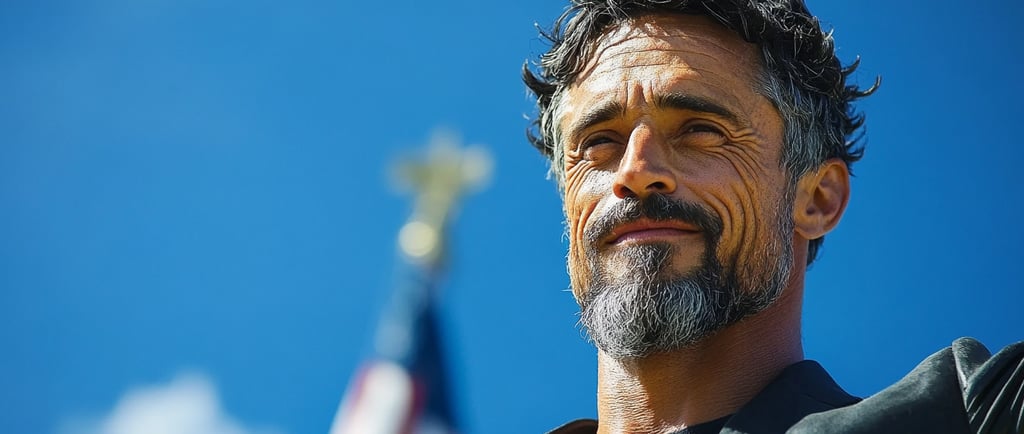
Why Personal Branding Is the New Political Strategy (And Why Every Candidate Needs One)
Politics has changed.
Not because people care more about policy.
But because people now choose leaders the same way they choose everything else.
They choose based on trust.
Visibility.
Connection.
Familiarity.
In other words, branding.
That’s the shift.
For decades, political campaigns were built on money, endorsements, and media access. Those things still matter. But today, a politician can bypass all of it and build direct influence with voters through one thing:
A personal brand.
And whether you love politics or hate it, the reality is simple.
The strongest political brands win.
Not always because they are the most qualified.
But because they are the most known.
And in a world where attention drives trust, being known matters.
A lot.
This is why politicians now need to think like entrepreneurs, creators, and thought leaders.
Because the campaign no longer starts when you announce.
It starts years before.
And your brand is the campaign.
Political Branding Used to Be Optional. Now It’s Everything.
Twenty years ago, political branding meant a logo, a slogan, and a bus tour.
Now it means:
Your social media presence.
Your interview style.
Your consistency.
Your public values.
Your tone.
Your emotional resonance.
Your story.
Every touchpoint matters.
Look at Barack Obama.
His personal brand was hope, intelligence, composure, and inspiration.
Look at Donald Trump.
His personal brand was disruption, confidence, combativeness, and anti-establishment energy.
Look at Alexandria Ocasio-Cortez.
Her brand is accessibility, cultural fluency, and activism.
Different politics.
Same principle.
Brand clarity.
The public may disagree with them.
But nobody is confused about who they are.
That is branding power.
And clarity beats complexity every time.
Voters Don’t Read Policy First. They Read People.
This is the mistake many politicians make.
They spend all their energy perfecting policy positions while neglecting the emotional framework people use to evaluate them.
Here’s the truth.
Most voters won’t read your 42-page healthcare plan.
But they will ask:
Can I trust you?
Do you understand me?
Do you feel real?
Do you feel strong?
Do I believe you?
That’s personal branding.
Before logic comes emotion.
Before policy comes perception.
Before voting comes trust.
This is why we wrote AI Can Copy Expertise. It Can’t Copy Trust.
Because trust has become the scarcest asset in every industry.
Including politics.
And trust scales through repeated exposure.
Repeated consistency.
Repeated humanity.
The Strongest Political Brands Feel Human
People are tired of polished.
They are tired of rehearsed.
They are tired of consultants manufacturing every word.
They want real.
That doesn’t mean messy.
It means human.
The politicians winning right now know how to do this.
They show behind-the-scenes moments.
They speak directly into the camera.
They tell stories.
They reveal emotion.
They create familiarity.
This is why platforms like YouTube, Instagram, TikTok, and podcasts matter so much.
Not because they are marketing channels.
Because they are trust channels.
And trust compounds.
The more often people feel like they know you, the harder it becomes to dismiss you.
This is the same principle we talked about in Nobody Cares How Good You Are If Nobody Knows You Exist.
Visibility creates opportunity.
Politics is no different.
Political Personal Brands Need Four Core Pillars
Here’s the framework.
1. Identity
What do you stand for?
Not in policy terms.
In human terms.
Who are you?
Builder?
Fighter?
Healer?
Teacher?
Reformer?
Voters need shorthand.
Strong brands simplify identity.
2. Story
What made you?
Pain builds relatability.
Struggle builds credibility.
People trust stories more than statistics.
A candidate with a compelling story becomes memorable.
3. Consistency
Do you show up the same way every time?
Same tone.
Same principles.
Same energy.
Consistency creates predictability.
Predictability creates trust.
Trust creates votes.
4. Visibility
Are people seeing you enough?
One speech a month won’t cut it.
Modern political brands require content.
Daily.
Video.
Interviews.
Podcasts.
Social clips.
Town halls.
Thought leadership.
Presence matters.
Social Media Has Changed Politics Forever
The gatekeepers are gone.
You no longer need CNN.
You no longer need Fox.
You no longer need newspaper endorsements.
You can build your own media ecosystem.
That changes everything.
John Fetterman used authenticity and unconventional presentation to strengthen his brand.
Vivek Ramaswamy used long-form podcasts and debate clips to accelerate recognition.
Ron DeSantis used issue consistency to reinforce his positioning.
Different strategies.
Same mechanism.
Direct-to-audience trust.
That’s why we believe every politician should treat content like infrastructure.
Not marketing.
Infrastructure.
The Danger of Having No Political Brand
If you don’t define yourself, your opponents will.
That’s the brutal truth.
Silence creates space.
Space gets filled.
Usually by your critics.
Without a clear brand:
You look generic.
You become forgettable.
You blend into noise.
And in politics, obscurity is death.
This is why we wrote Your Reputation Is the New Resume (And Most Professionals Are Behind).
For politicians, your reputation is often your candidacy.
And if you are not actively shaping it, it’s being shaped for you.
Great Political Brands Are Built Before the Race
This is where most people miss it.
They wait.
They think:
“I’ll build my visibility when I run.”
Too late.
The best political brands are built years in advance.
Long before filing paperwork.
Long before campaign launches.
Long before fundraising.
Because trust takes time.
Recognition takes time.
Credibility takes time.
That’s true for authors.
It’s true for entrepreneurs.
It’s true for speakers.
And it’s absolutely true for politicians.
The candidates who start early start stronger.
The Future of Politics Belongs to Personal Brands
The next generation of political leaders will not rise through institutions alone.
They will rise through influence.
Through trust.
Through audience.
Through clarity.
The strongest political campaigns of the next decade will look more like media companies than traditional campaigns.
More content.
More personality.
More consistency.
More trust.
That’s the game now.
And whether you’re running for city council or president, one truth remains:
People vote for people.
Not platforms.
Not white papers.
Not bullet points.
People.
And personal branding is how those people become unforgettable.
Frequently Asked Questions
Do politicians really need personal brands?
Yes. In modern politics, branding shapes trust, recognition, and emotional connection before policy ever enters the conversation.
What makes a strong political personal brand?
Clarity, consistency, relatability, and visibility.
Can local politicians benefit from personal branding too?
Absolutely. In many cases, local elections are even more trust-driven than national races.
Is social media required for political branding?
At this point, yes. It’s one of the fastest ways to build direct relationships with voters.
How early should politicians start building their brand?
Years before they run. The earlier the better.
👉 Want to build a personal brand people trust before you need it?
Whether you're running for office, growing your business, or becoming the go-to voice in your space, it starts the same way: clarity, consistency, and credibility.