Personal Branding for Executives: Why Leadership Visibility Is Now a Business Strategy
Personal branding for executives is no longer optional. Learn how top leaders build trust, attract opportunities, and strengthen company growth through strategic visibility.
AUTHORITY BUILDING
Atlas
6/19/20264 min read
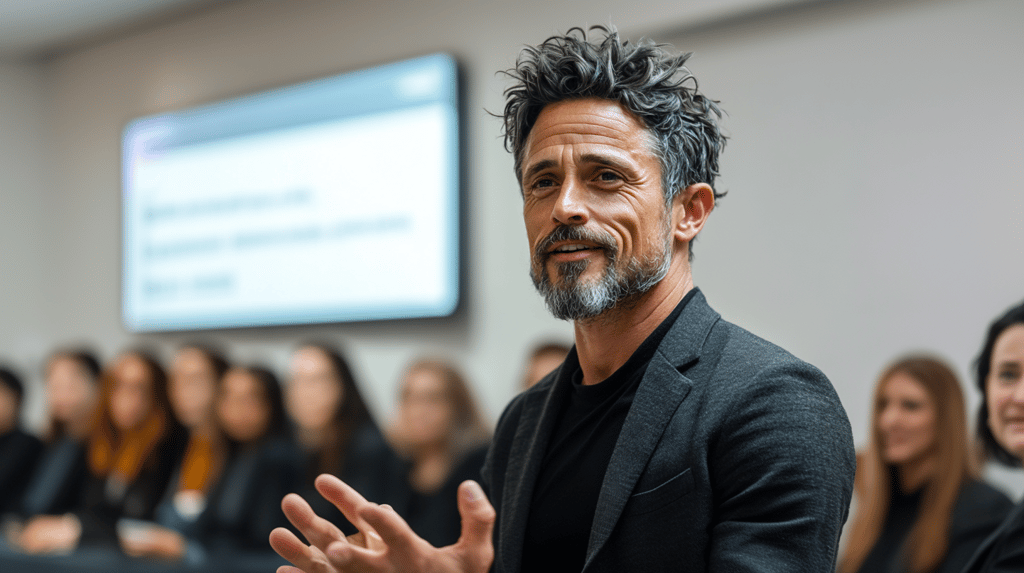

Personal Branding for Executives: Why Leadership Visibility Is Now a Business Strategy
For years, executives believed their company brand was enough.
It’s not.
Today, buyers, employees, investors, partners, and media don’t just trust logos. They trust leaders.
That changes everything.
The modern executive is no longer judged solely by quarterly performance, boardroom decisions, or internal leadership. They are judged by what shows up when someone searches their name.
And whether you like it or not, people are searching.
That’s the new reality.
In a world where trust moves faster than advertising, personal branding for executives has become one of the highest-leverage business strategies available.
Not vanity.
Not ego.
Strategy.
The leaders winning right now understand something most executives still miss:
People connect with people before they connect with companies.
That’s why leaders like Satya Nadella, Jensen Huang, and Jamie Dimon have become trust multipliers for their organizations.
Their visibility strengthens their companies.
Their credibility increases enterprise value.
Their brand creates momentum.
And yours can too.
The question is whether you build it intentionally.
Or leave it to chance.
Executive Visibility Is the New Trust Signal
Twenty years ago, an executive’s reputation lived mostly behind closed doors.
Today, it lives online.
Prospects research leadership before signing deals.
Candidates vet executives before accepting offers.
Media looks for credible voices.
Conference organizers search for thought leaders.
Private equity firms assess founder visibility.
And boards want leaders who can command trust in public.
This is why executive visibility is now part of enterprise growth.
A strong executive brand accelerates:
Sales cycles
Recruiting
Partnerships
Media opportunities
Investor confidence
Industry authority
We covered this in The Google Test: What Shows Up When Someone Searches Your Name?
Because this matters.
If someone Googles you right now, what do they find?
Silence?
Outdated bios?
Random mentions?
Or clear authority?
That gap matters.
Why Most Executives Are Behind
Most executives built careers in a different era.
Their mindset was:
Keep your head down.
Do good work.
Results speak for themselves.
That worked.
Until the internet became the first impression.
Now results still matter, but visibility amplifies them.
And without amplification, you stay invisible.
This is where many executives fall behind.
They confuse credibility with discoverability.
But being credible and being visible are not the same thing.
A brilliant CEO with no digital footprint loses attention to a less experienced competitor who publishes consistently.
That may sound unfair.
It’s also true.
We explored this in Nobody Cares How Good You Are If Nobody Knows You Exist.
That principle applies even more at the executive level.
Maybe especially at the executive level.
The Four Pillars of Executive Personal Branding
Building a strong executive brand does not mean becoming an influencer.
It means becoming known for what you already know.
That starts here.
1. Clarify Your Leadership Position
What do you want to be known for?
Not your company.
You.
Operational excellence?
Innovation?
Culture?
Growth?
Turnarounds?
Mergers?
Category leadership?
Pick your lane.
The strongest executive brands are focused.
Not broad.
Specificity builds authority.
2. Own Your Digital Real Estate
Your LinkedIn profile matters.
Your Google results matter.
Your bio matters.
Your podcast appearances matter.
Your articles matter.
This is your trust infrastructure.
Executives need:
Optimized LinkedIn presence
Professional website or authority hub
Press features
Thought leadership articles
Speaking videos
Searchable content
This connects directly to The 7 Trust Signals That Make People Instantly More Credible Online.
Executives need all seven.
3. Create Thought Leadership Content
This is where authority compounds.
Not daily selfies.
Not trend dancing.
Real insights.
Lessons.
Predictions.
Frameworks.
Experience.
Executives sit on decades of wisdom.
But too often they keep it trapped inside meetings.
Content turns experience into scalable trust.
A single article can influence thousands.
A podcast interview can create years of discoverability.
A keynote can establish category dominance.
4. Build Distribution
Great content without distribution dies.
Executives need strategic visibility channels:
Podcasts
Keynotes
Industry publications
LinkedIn
Email newsletters
YouTube
PR
This is how trust spreads.
This is how authority scales.
The ROI of Personal Branding for Executives
Let’s make this practical.
What’s the ROI?
Simple.
A stronger executive brand often creates:
Higher close rates.
Better recruiting.
Faster trust.
Premium pricing.
More invitations.
Greater retention.
Higher company valuation.
Because trust lowers friction.
Everywhere.
When a founder has credibility, investors lean in faster.
When a CEO has authority, employees buy into vision faster.
When a consultant executive has visibility, clients pay more.
That’s why personal branding is not separate from business growth.
It is business growth.
We broke this down further in AI Can Copy Expertise. It Can’t Copy Trust.
That principle gets sharper every year.
AI can replicate information.
It cannot replicate reputation.
The Cost of Ignoring It
Here’s the risk.
If you don’t define your brand, the market will define it for you.
Or worse:
Ignore you completely.
That’s dangerous.
Especially for executives facing:
Career transitions
M&A events
Public exits
Board opportunities
Consulting pivots
Industry shifts
Visibility creates optionality.
And optionality creates power.
The best time to build your executive brand was five years ago.
The second best time is now.
Because in the next decade, leadership trust will become one of the most valuable assets you own.
And unlike your title, you can take it with you.
Frequently Asked Questions
What is personal branding for executives?
Personal branding for executives is the strategic process of building visibility, trust, and authority around a leader’s expertise, values, and leadership style.
Why do executives need a personal brand?
Executives need a personal brand because buyers, talent, and media increasingly trust visible leaders more than faceless companies.
Is personal branding only for CEOs?
No. COOs, CTOs, CMOs, founders, and senior leaders all benefit from building authority in their market.
How long does it take to build an executive brand?
Most executives start seeing traction within 3 to 6 months with consistent content and strategic positioning.
Can personal branding help with career transitions?
Yes. A strong personal brand creates leverage for board seats, consulting, speaking, and future leadership roles.
Want help building your personal brand? Book a Free Brand Call to get a custom strategy for turning your expertise into opportunities.